
The Significance of Idol Worship in Hinduism
April 20, 2026
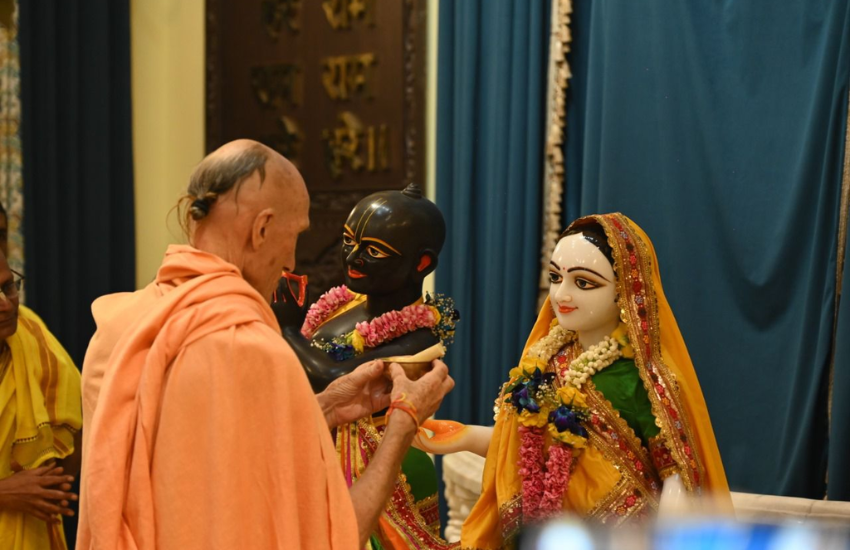
Idol worship in Hinduism has been part of life for centuries. Since ancient times, people have been performing moorti pooja as a way to connect with the divine in a form they can see, touch, and feel, offer prayers to, and seek blessings from.
According to Hindu traditions, once a deity is invoked into the idol through the ritual of Prana Pratishtha, it becomes a living embodiment of the divine presence. Even great saints like Adi Shankaracharya and Ramanujacharya promoted murti Puja as a meaningful path to spiritual growth.
If you are doubtful about idol worship, this write-up will help clear your perspective. In the sections ahead, we will look at why Hindus worship idols, the spiritual meaning hidden in this practice, the rituals associated with it, and how idols reflect the deep symbolism of Hindu philosophy.
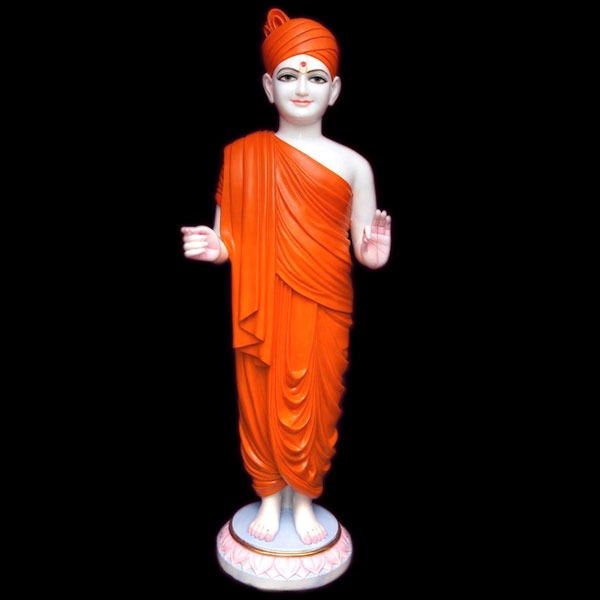 Spiritually, murti pooja serves as a source of inspiration and guidance. It allows the soul to rise above material concerns and connect with higher consciousness.
Why Do Hindus Worship Idols?
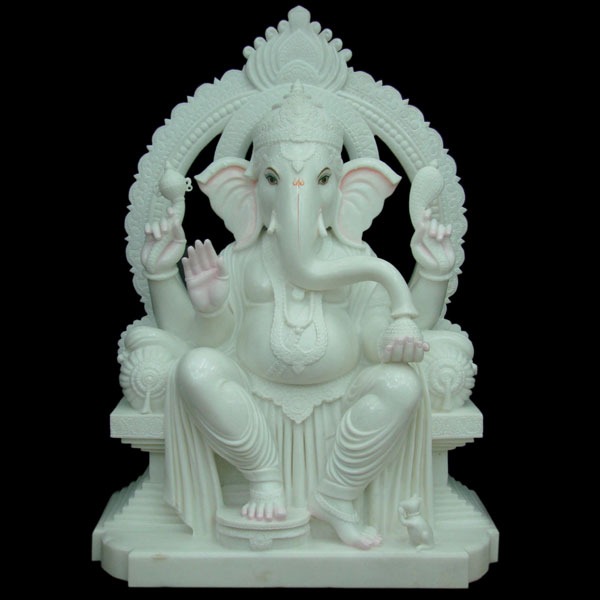
Hindus worship idols to experience God in a form they can see and relate to. It is hard for humans to connect with formless energy, so idols give a tangible presence of the divine. Worship is never about the stone, metal, or wood itself but about what spiritual essence it represents. Idol worship provides a focal point for meditation, prayer, and rituals. They help people develop patience, gratitude, and positive values. Offering prayers, chanting, and performing rituals around idols also brings mindfulness into daily life. Meanwhile, Hindu god idols also carry cultural and educational significance. Their forms, gestures, and ornaments tell tales from Hindu mythology, showing moral values and spiritual teachings.What is the Spiritual Significance of Idol Worship?
According to the Shastra and Puranas, the ultimate God is formless and infinite, yet human minds connect deeply with a visible form. Worshipping an idol allows devotees to focus their thoughts, express devotion, and feel God’s presence in a personal and meaningful way. Marble murtis are considered pious because of their purity, durability, and the sacred care taken during their creation. The spiritual significance of idol worship is to guide the mind and soul. When devotees offer flowers, light lamps, or chant mantras before an idol, they enter a state of reflection and inner peace. This practice encourages mindfulness and helps calm the mind.
Spiritually, murti pooja serves as a source of inspiration and guidance. It allows the soul to rise above material concerns and connect with higher consciousness.
What are the Key Rituals Involving Idol Worship?
Idol worship is full of meaningful rituals that help devotees connect with the divine. Here are some important rituals for worshipping the idols:- Prana Pratishtha: This is the ritual that invokes life energy into the idol, making it a living presence of the deity. It allows devotees to feel a deeper connection and devotion during prayers.
- Abhishekam: The ceremonial bathing of the idol with water, milk, or honey. It is an act of purification and helps calm the mind while showing love and reverence.
- Alankara: Decorating the idol with clothes, garlands, and ornaments. This is a way to honor the divine and express devotion through care and attention.
- Aarti: Waving lamps and singing hymns or prayers in front of the idol. The light represents knowledge and positivity, filling the space with peace and spiritual energy.
- Naivedya: Offering fruits, sweets, or other foods to the idol. This expresses gratitude and devotion, making worship a heartfelt exchange.
- Chanting and Meditation: Reciting mantras or prayers helps focus the mind, deepen concentration, and invite a sense of inner calm and spiritual clarity.
How Do Idols Reflect Hindu Philosophy and Symbolism?
In Hinduism, idols are not merely objects of worship. They are living symbols that convey deep philosophy and spiritual meaning. The forms of idols often show divine qualities. For example, multiple arms on a deity represent the ability to perform many actions for the welfare of the world. A calm and smiling face conveys peace, compassion, and the importance of inner calm. Colors, clothing, and ornaments of idols also have significance. Bright colors often reflect energy, purity, and positivity. Jewelry and other decorations symbolize abundance, protection, and the richness of life guided by dharma. The positions and gestures of idols, such as the hand raised in blessing or meditation posture, are visual lessons in devotion, discipline, and surrender.Common Myths and Facts About Idol Worship
Idol worship is an important practice in Hinduism, yet it is often misunderstood. Many myths surround the practice, leading to confusion about its purpose and significance. Understanding the facts can help people appreciate the spiritual depth of idol worship.Myth 1: Idols are Just Stones or Metal Objects
Many believe that worshipping an idol means worshipping a lifeless object. In reality, idols are sacred representations of the divine. Through rituals like Prana Pratishtha, life energy is invoked into the idol, making it a living presence of God. Devotees do not worship the stone or metal itself but the divine essence it represents. It provides a tangible form to meditate upon, helping people connect with God in a personal and meaningful way.Myth 2: Idol Worship is Superstition
Some think that idol worship is mere superstition with no spiritual value. This is not true. Idol worship is a structured practice designed to nurture devotion, mindfulness, and moral growth. Worshipping an idol helps devotees develop patience, gratitude, and inner calm. Daily rituals, offerings, and prayers create a routine that strengthens focus and encourages self-reflection.