Custom
Laxmi Mata Murti
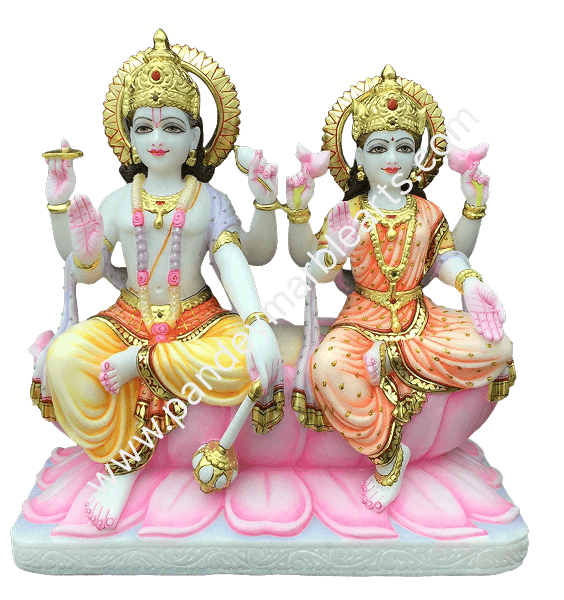
Laxmi Maa Murti requires a calm expression, balanced posture, and disciplined ornament carving because devotees often place the sculpture at the center of daily worship spaces. Our artisans carefully shape the lotus seat, hand gestures, crown patterns, and saree detailing so the murti carries a graceful and spiritually welcoming presence. Suitable for home mandirs, temples, and festive installations during Diwali and other religious occasions, these marble idols are crafted in customized sizes with traditional carving styles shaped according to devotional preferences and installation requirements.
Enquire Now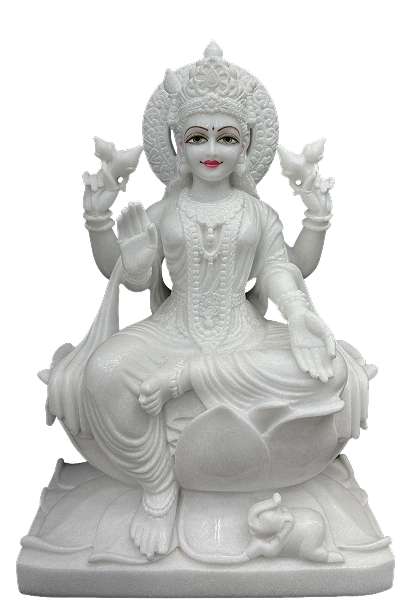
Our Wide Collection of
Mata Laxmi Murti
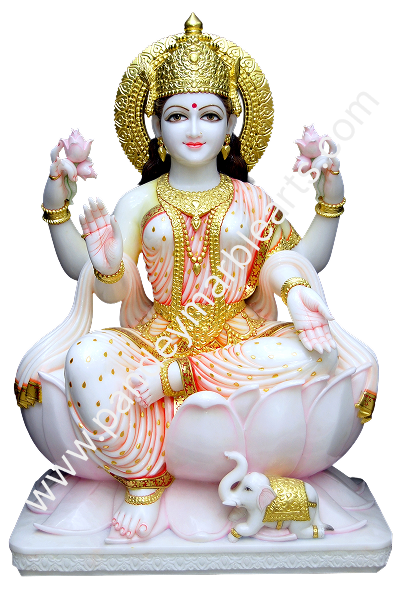
Lotus Seated Lakshmi Marble Statue
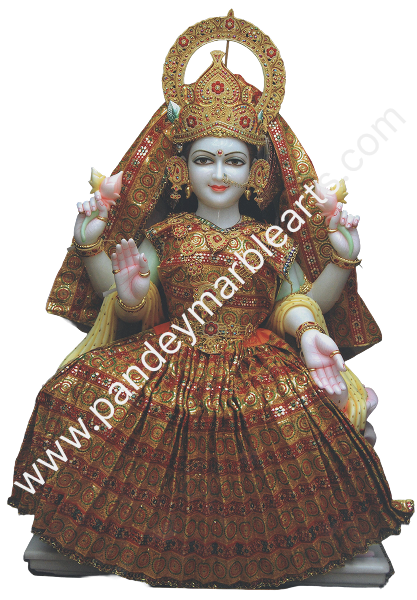
Laxmi Mata Marble Idol
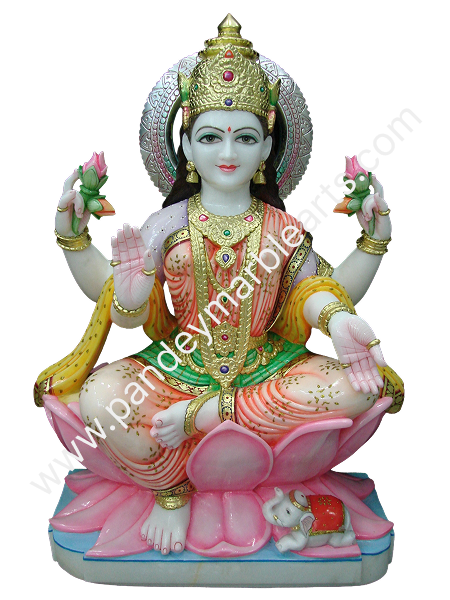
Colored Lotus Sitting Lakshmi Murti
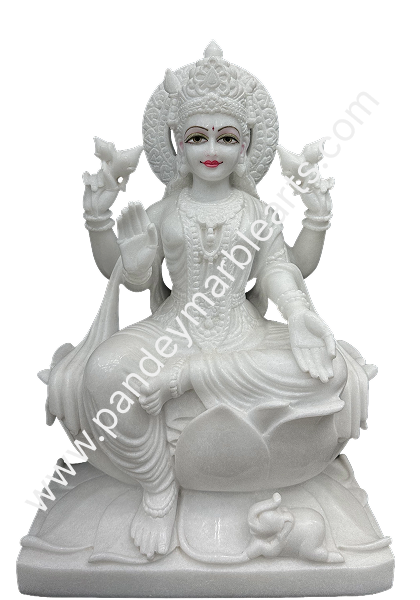
Blessing Pose Lakshmi Marble Idol
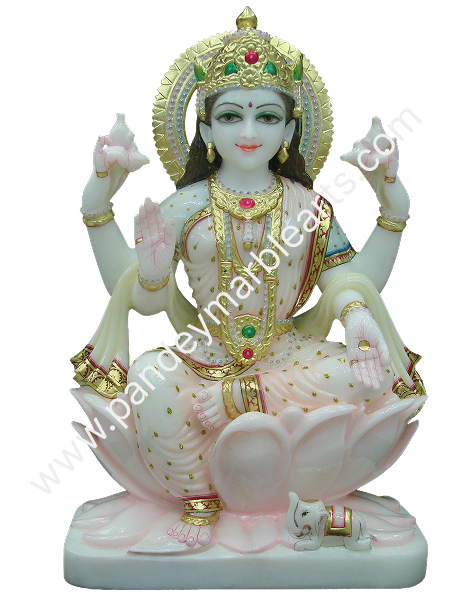
Pure White Laxmi Mata Marble Statue
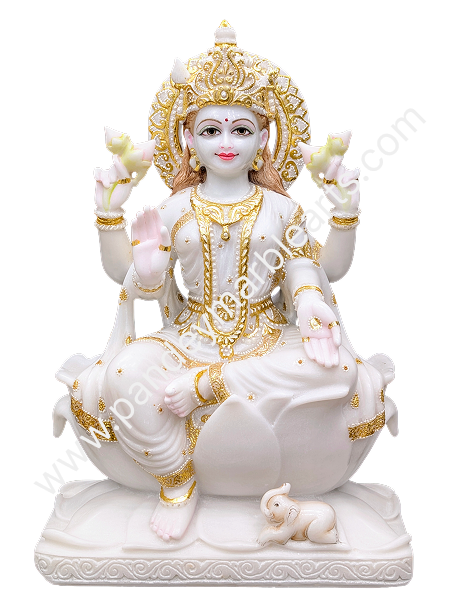
Elegant Seated Lakshmi Marble Murti
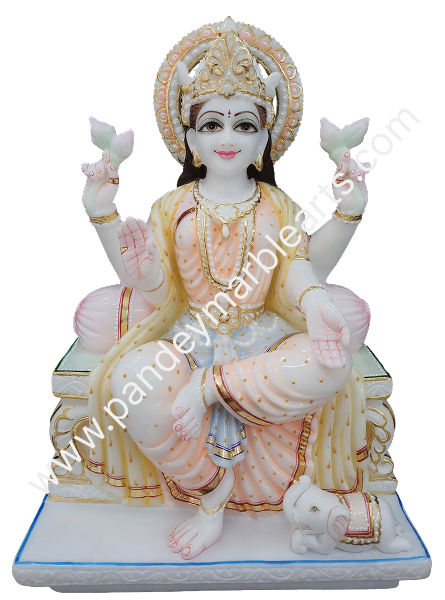
Laxmi Mata Marble Idol
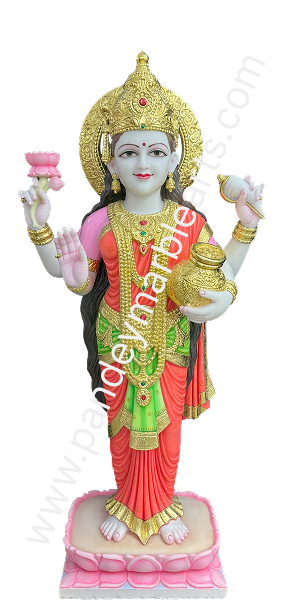
Traditional Standing Lakshmi Statue
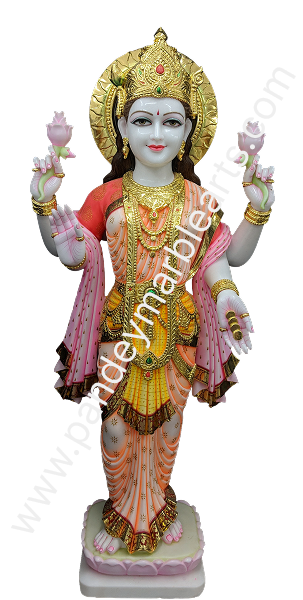
Decorative Lakshmi Marble Murti
Our Specialization
Every form of Maa Laxmi carries a different devotional meaning, which is why artisans approach each sculpture with separate carving observations and detailing methods.
Seated Laxmi Mata Murti
We carve seated Laxmi Mata murtis with careful attention to hand positioning, lotus detailing, and facial softness because devotees often place these idols in daily worship areas. More focus usually stays on maintaining calm expressions and balanced ornament carving, so the murti carries the peaceful and graceful presence traditionally associated with Maa Laxmi.
Standing Mata Laxmi Idol
Standing Mata Laxmi idols require proper body proportion and posture alignment because even a slight imbalance affects the natural appearance of the sculpture. Our craftsmen carefully shape the saree folds, crown work, and blessing posture so the murti maintains clarity in detailing while still reflecting a composed devotional presence from every angle.
Blessing Mahalaxmi Mata Murti
Blessing Mahalaxmi Mata murtis are shaped with open palm gestures and softer facial expressions that symbolize prosperity and spiritual positivity in worship spaces. We spend extra time refining the eyes, jewelry patterns, and lotus base because these elements strongly influence the devotional identity and overall appearance of the sculpture.
Nritya Lakshmi Statue
Nritya Lakshmi statues demand more precision during carving because flowing posture movement, attire folds, and body balance all need careful coordination together. Our craftsmen gradually refine the hand gestures, jewelry detailing, and facial expressions so the sculpture carries natural movement while preserving the calm spiritual character associated with Maa Laxmi.
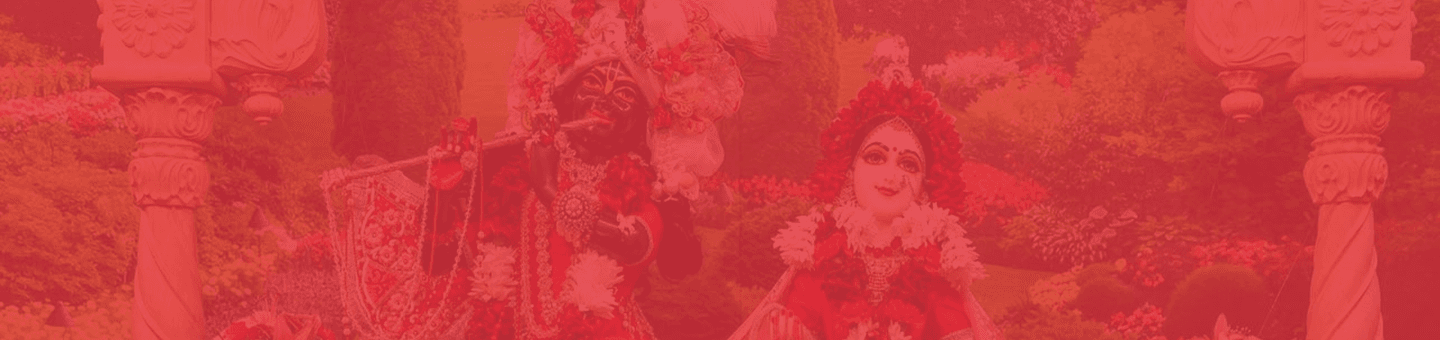
Mata Lakshmi:
The Goddess of Wealth, Fortune, and Abundance
Why Trust
Pandey Marble Arts
0+
Skilled Artisans
0
Dedicated Workshops
0
Generation Craft Lineage
0+
Years of Trusted Work
Trusted By











A Journey of Devotion
Our Process
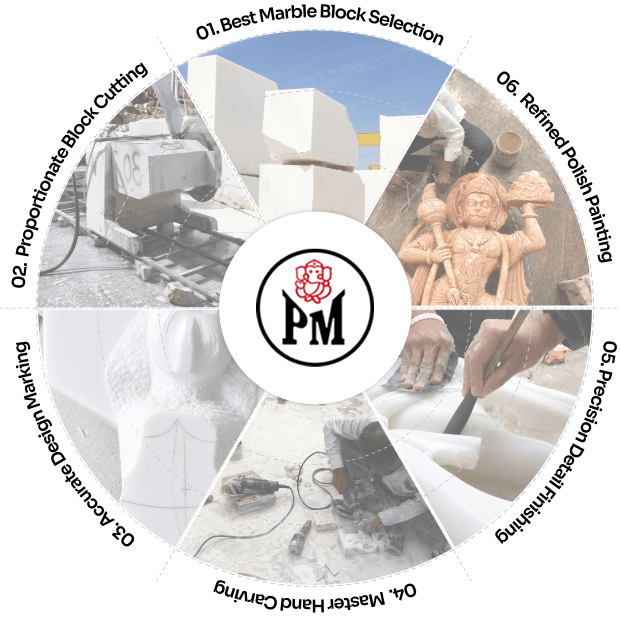
Sourcing the Best Quality White Makrana Marble
Our work starts with sourcing the best quality makrana marble blocks with pure white tones, minimal veins for the Lakshmi Ji marble statue.
Block Cutting & Design Marking
Once the marble block is finalized, we begin the block cutting and marking process based on traditional Shilpa Shastra guidelines.
Carving and Fine Detailing
Once the stage is finalized, our expert artisans start the carving process. They take care of deep detailing of facial expressions, hands, and accessories.
Final Finishing
After carving, the moorti goes through a careful sanding process for fine finishing. This stage brings a natural shine to the idol and smoothens the marble textures.
Polishing and Painting
After the sanding is done, we start polishing the Lakshmi Ji statue and paint the ornaments, attire, and symbolic features of the idol to add depth.
Ready to Ship
After a rigorous quality check process, we carefully pack the idols using protective materials to prevent damage during transit. We export Lakshmi Ji idols to India & overseas.
Frequently Asked Questions (FAQs)
Many families prefer seated or blessing Laxmi Mata murtis during Diwali because these forms connect closely with prosperity and traditional household worship rituals.