
The Spiritual Importance of Idol Pran Pratishtha in Sanatan
April 20, 2026
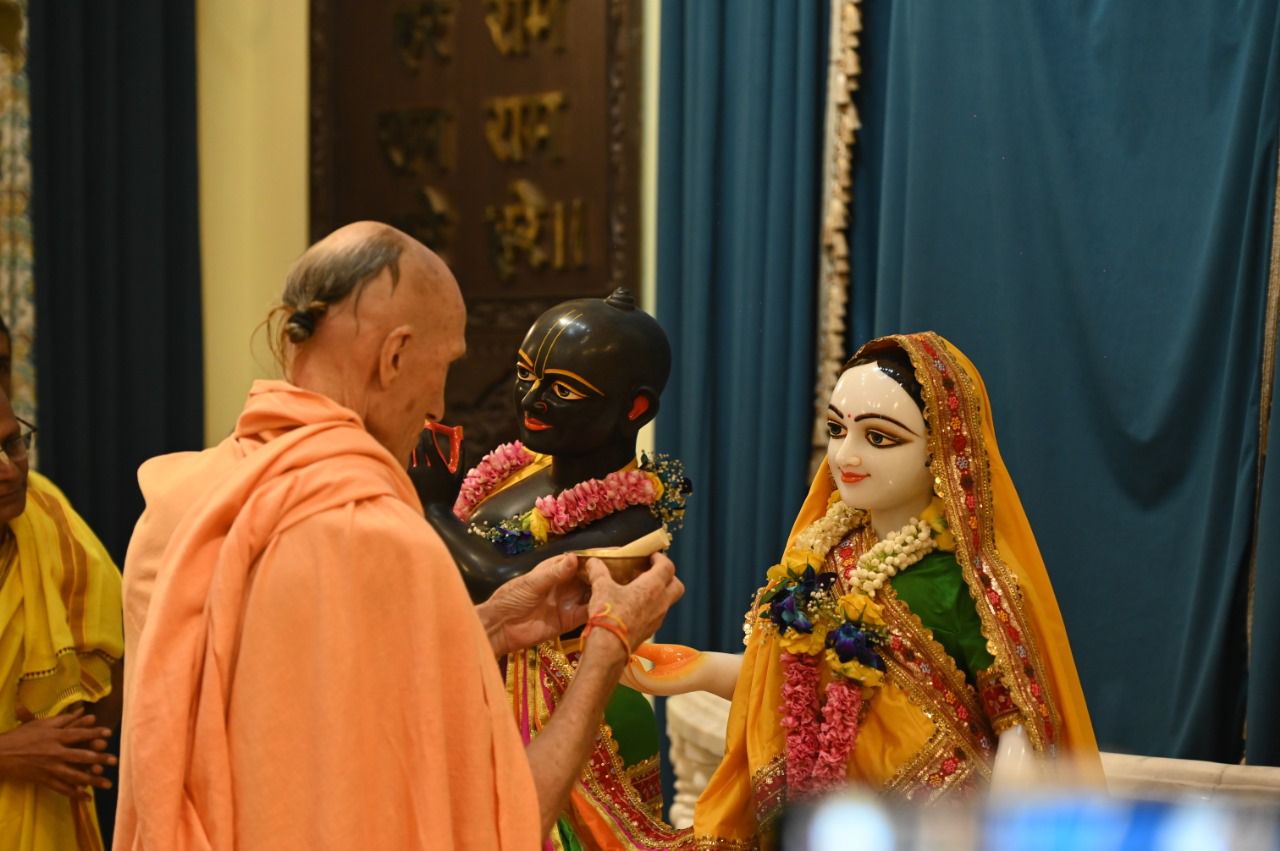
Idol worship has been a core part of Hindu culture since ancient times. We, humans, find it easier to focus on something we can feel, touch, and visualize, and idols serve as that sacred medium to connect with the divine. And one of the most important rituals associated with moorti pooja is Pran Pratishtha. It is a sacred ceremony of invoking divine energy (spiritual presence) into the idol.
Despite its significance, there are several myths around Pran Pratishtha. Some believe it is limited only to grand temples, or that it is unnecessary in home worship. Others think it is just a ritualistic formality rather than a spiritual process.
So, busting all these myths, we have come up with this guide explaining the spiritual importance of idol pran partishtha. We will also discuss the purpose, rules, and preparations for the prana pratishtha of deity statues.
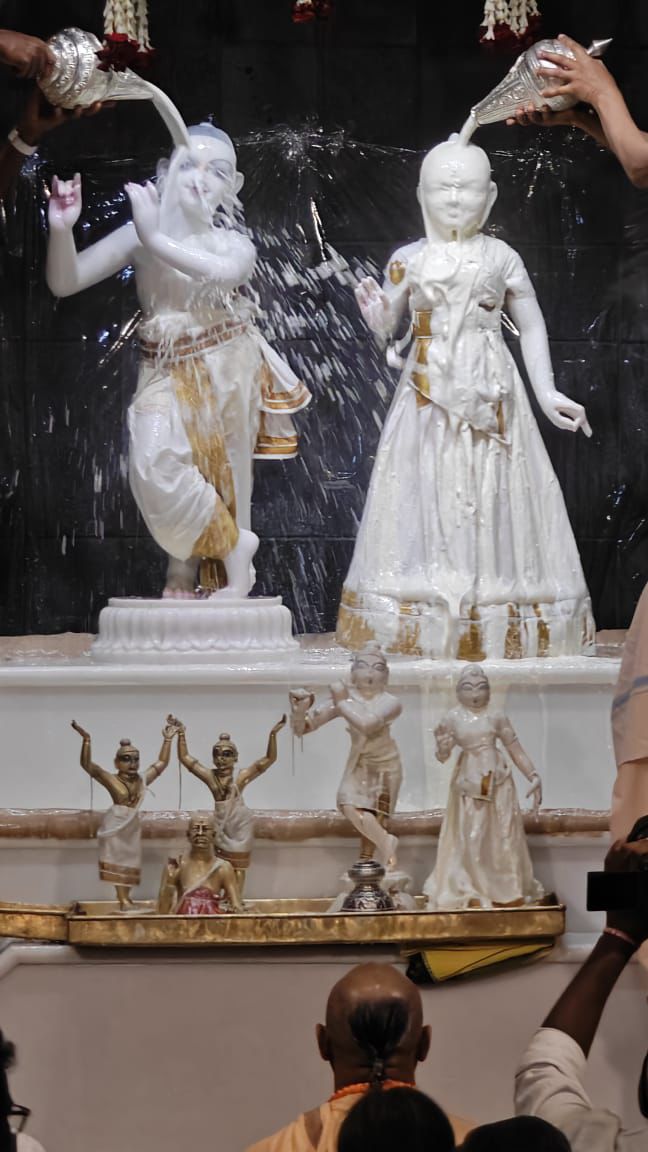
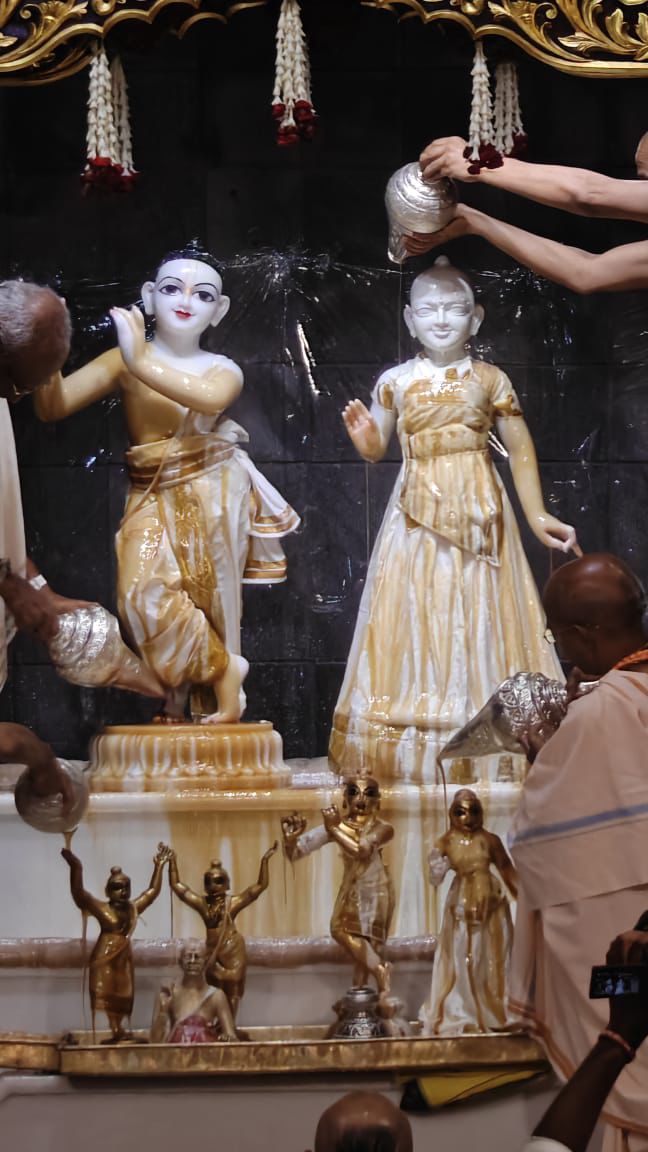 Performing Pran Pratishtha is a sacred act that requires both spiritual and physical preparation. The purpose is to make the place, the idol, and the devotee ready to receive divine energy. Although everything ultimately depends on a person’s bhaav (the depth of devotion and sincerity toward the deity), there are still certain rules and preparations that should be followed to maintain sanctity during the ceremony.
What is Pran Pratishtha?
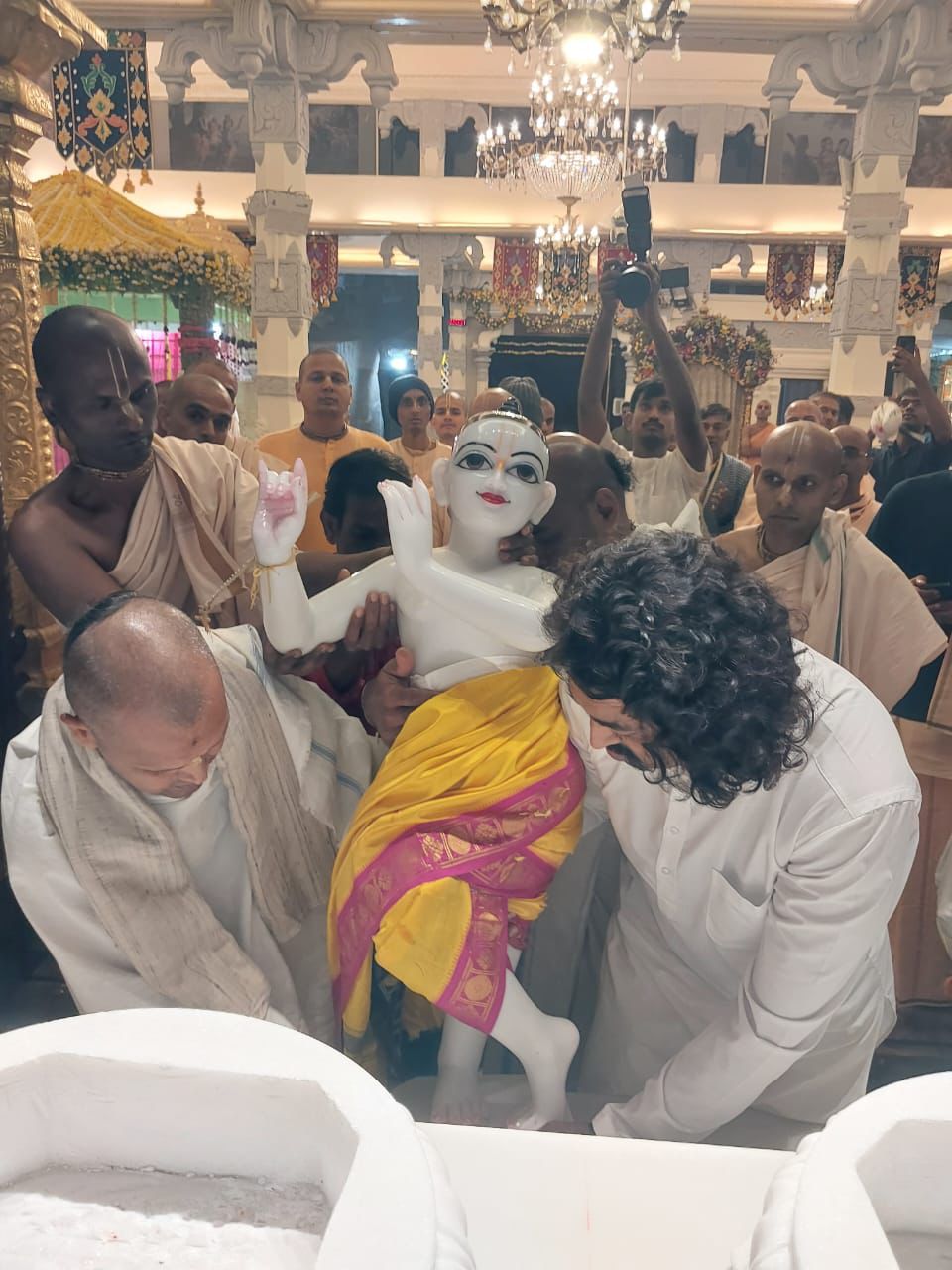
Prana Pratishtha is the sacred ritual in Sanatan Dharma through which the spiritual presence of a deity is believed to be invoked into an idol. This ceremony is essential for worship in both homes and temples. The ritual involves chanting specific Vedic mantras, performing precise ceremonial steps, and making sacred offerings such as water, ghee, flowers, and incense. These acts are believed to awaken the divine energy within the idol, making it worthy of devotion and enabling the flow of positive energy into the surrounding space. In Hindu tradition, Pran Pratishtha can broadly be categorized into two forms:- Chal Pratishtha: This type of consecration ceremony is for idols that are installed in home temples. During the ritual, the idol is energized with mantras, offerings, and rituals, which awaken its spiritual presence. However, the idol is not permanently fixed and can be moved if needed. Chal Pratishtha is ideal for personal worship at home because it allows daily devotion in a small, intimate setting. Many families perform Chal Pratishtha for idols like Lord Ganeshji, Maa Laxmi, Ram Darbar, Radha Krishna, and Hanumanji, as these deities are worshipped daily in homes for prosperity, love, and protection.
- Achal Pratishtha: Achal Pratishtha is for idols that are fixed permanently, usually in temples or specially designated sacred spaces. The rituals involved are much more elaborate and detailed. The idol is considered immovable and eternally energized once the ceremony is completed. This type of Pran Pratishtha is often done for large temple idols of Lord Shiva, Durga Mata, Ram Darbar, or Radha Krishna, where continuous worship and collective devotion maintain divine energy in the space.
What is the Purpose of Performing Pran Pratishtha Before Worshipping an Idol?
The purpose of performing Pran Pratishtha is to invite divine energy into the idol so that it becomes a living form of the deity. Before this ceremony, an idol, no matter how beautifully carved, remains only a piece of marble or metal. Through the ritual of Pran Pratishtha, sacred mantras and offerings awaken the spiritual presence within the murti, allowing devotees to feel the divine energy while praying. In temples, Pran Pratishtha is performed with detailed Vedic rituals, involving many priests and devotees. It establishes the idol as a permanent and powerful source of blessings. In homes, the same ritual can be done more simply for the pooja room, inviting divine energy to stay within the family space. Even a small marble mandir in a home becomes spiritually active once the ceremony is completed.What are the Rules and Preparations Before Performing Pran Pratishtha?
Performing Pran Pratishtha is a sacred act that requires both spiritual and physical preparation. The purpose is to make the place, the idol, and the devotee ready to receive divine energy. Although everything ultimately depends on a person’s bhaav (the depth of devotion and sincerity toward the deity), there are still certain rules and preparations that should be followed to maintain sanctity during the ceremony.
Purity of Place
The first step is choosing a clean and peaceful place. The surroundings should be free from noise and disturbance. For home worship, a pooja room or dedicated space within a marble home temple should be selected and cleaned thoroughly. The area is usually washed with Ganga Jal, as it is believed to purify the atmosphere.Purity of Idol
The idol, or marble murti, must be freshly cleaned and properly placed before the ritual begins. It should be crafted according to traditional measurements and Shilpa Shastra principles. No crack, chip, or defect should remain in the idol, as it represents the divine form and energy. Once placed, the idol should not be moved casually after the ritual.Purity of Devotees
Those performing or attending the ceremony must observe the cleanliness of body and mind. A fast is usually observed on the day of the ritual. Clean clothes, calm thoughts, and sincere devotion are considered essential. The mind should be focused on welcoming the deity into the idol.Selection of the Right Time (Muhurta)
An auspicious muhurta is chosen by a qualified priest or astrologer. The timing holds great importance, as it is believed that during this period, the spiritual energies are most favorable for invoking divine presence.Preparing the Ritual Items
All puja materials are arranged beforehand, like copper or brass utensils, Panchamrit (a mixture of milk, curd, ghee, honey, and sugar), fresh flowers, incense sticks, ghee lamps, fruits, and holy water. Each item has its own significance in awakening the divine energy within the murti.