
What Does the Lord Shiva Statue Symbolize?
April 20, 2026
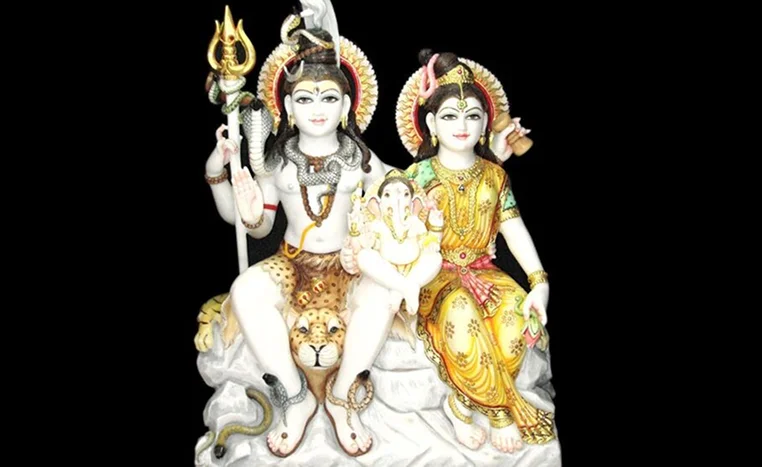
In Hinduism, Lord Shiva is considered one of the supreme deities, also referred to as the Destroyer and the Transformer. He completes the holy trinity of Hindu deities with Brahma, the Creator, and Vishnu, the Preserver. Since our childhood, we have seen Lord Shiva statues everywhere, from temples to our homes and even schools. But have you ever thought about what the Lord Shiva statue actually symbolizes?
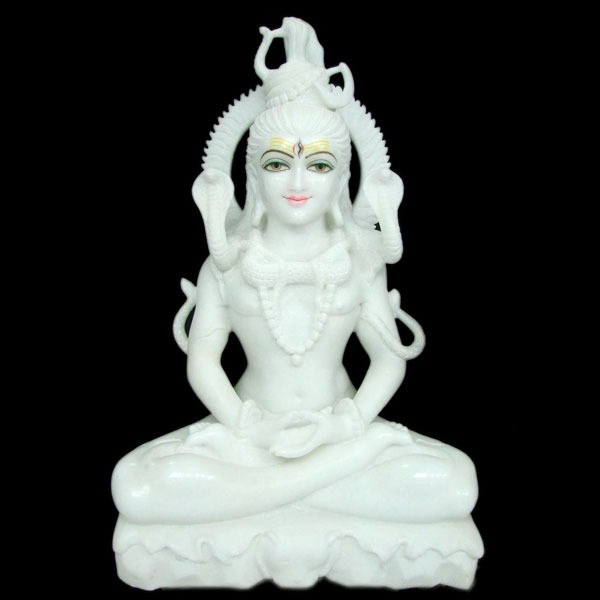
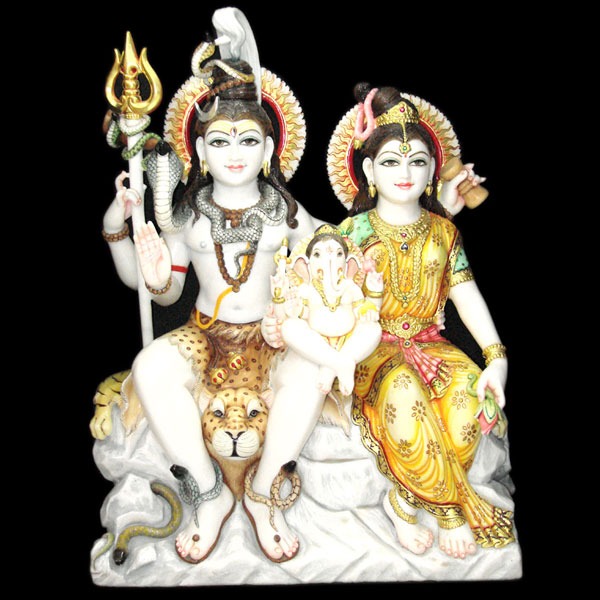
The statue of Shiva is a symbolic form inspired by ancient texts, stories, and beliefs. He is often seen in deep meditation, with a peaceful facial expression, long hair flowing off the top of his head, a snake on his neck, and a third eye on his forehead that symbolizes insight beyond ordinary sight. Each facet of his form conveys a part of his ethos, his power, his peace, and his ability to reach out to the divine.
In this blog, we will share what each aspect of Lord Shiva's statue means and what they signifies for humanity.
What is the Significance of the Lord Shiva Statue for the Home?
1. Source of Peace and Positive Energy
It is said that having a Lord Shiva statue in the home will bring calm and positive energy. Lord Shiva constantly sits in a deep meditation or stillness, even when the spawning world is completely chaotic. A peaceful and serene environment brought by Shiv sitting on the Kailash Parbat statue leads to a reduction in stress, and it should clear negative thoughts that create noise and promote a clearer mental picture.2. Bringing Balance and Harmony into the Home
For many, Lord Shiva represents destruction and creation, balanced moments of peace with the order in chaos. The moment the statue is a part of the home, it is as if that balance has entered the home. Lord Shiva can bring balance during life's ups and downs to bring a sense of stability. Families also tend to feel more connected and grounded, emotionally balanced, when experiencing Shiva's energy within that space. His teachings help us learn to be strong but calm, especially when life has taken a rough turn.3. A Reminder of Inner Strength and Letting Go
Shiva represents transformation. The statue encourages us to let go of whatever else holds us back, the old habits, fears, or thoughts that are holding us back. As Shiva destroys those things that we do not need in the universe, he teaches us to let go of those things that do not serve us in our lives. And, he inspires us, directs us, and mentors us, quietly supporting us to grow, be strong, and to remind us to see the light that clearly will take us on our journey.4. Spiritual Connection and Daily Mindfulness
For those who are accustomed to meditating or any other practice of spirituality, the Shiva statue stands out as a point of focus in a meditation. The way he sits, still with his eyes shut, provides a visual point of view to go inward and will encourage you to do that regularly, and in this way, encourage a period of preparation and reflection for your day. Meditating regularly will once again help you be more mindful, aware, and spiritually connected throughout your life through regular engagement of daily actions and not just in a business way through rituals.Different Types of Lord Shiva Idols and Their Significance
Lord Shiva is worshipped in so many forms, and each type of idol has its own special meaning according to the way it is designed, its pose, and its symbols. Each idol illustrates different aspects of Shiva's divine powers and qualities.1. Shiva in Meditation - (Dhyan Mudra)
This form of Shiva is one of the most popular. In this idol, Shiva is in a sitting cross-legged position, eyes closed and deep in meditation on a Kailash Parbat. This sitting marble Shiva statue represents peace, concentration, and spiritual strength. It is great for homes where meditation, yoga, and spiritual practices take place, as it creates a peaceful and balanced energy.2. Nataraja - (The Cosmic Dancer)
In this form, Lord Shiva is dancing inside a ring of fire. This represents the rhythm of the universe and the cycle of creation, preservation, and destruction. This statue shows Lord Shiva in a standing pose, but on one leg, specifically his right leg, which is on the demon Apasmara (also known as Muyalaka). The idol is filled with energy and believed to help remove ignorance and ego. This idol is kept in cultural spaces, studios, and homes of others that involve art, or professional spaces where creativity and expression are present.