
What Makes Marble Idols the Purest Form of Worship?
April 20, 2026
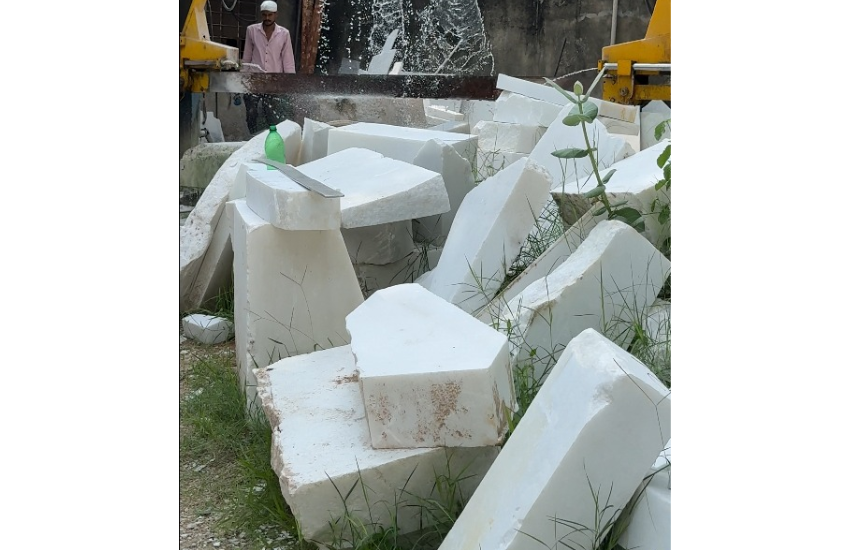
Idol worship in Hinduism holds more importance than simply being a cultural tradition. It is rare to find a Hindu temple that does not house at least one marble murti. But have you ever wondered why marble is the preferred choice for crafting idols of gods and goddesses? Why do temples across India and even around the world prefer marble idols over other materials?
There isn’t a single reason but the purity and spiritual significance of this natural stone that together make moortis the purest form of worship. Marble enhances the sanctity of worship spaces and preserve spiritual energy over time.
In this blog, we will understand the reasons behind marble’s special place in traditional idol makin. Also, we will explore what makes it a symbol of divine purity and the truest expression of faith in Hindu worship.
 On the other hand, black Baislana marble carries a different kind of strength and depth. It is used to carve idols of Lord Krishna, Bhairav, Shani Dev, and Khatu Shyam Ji. The color black symbolizes power, discipline, and devotion. It enhances the fine details of the sculpture and gives the idol a strong divine presence.
 According to the Puranas, the divine energy in an idol becomes strong through daily prayers and weakens when neglected. The morning prayers invite freshness and strength to the home, while the evening aarti brings peace and protection. If a person cannot perform a long puja, even folding hands with pure devotion (Bhav) and remembering the deity’s name is enough.
What Type of Marble is Used in Hindu God Moorti Making?
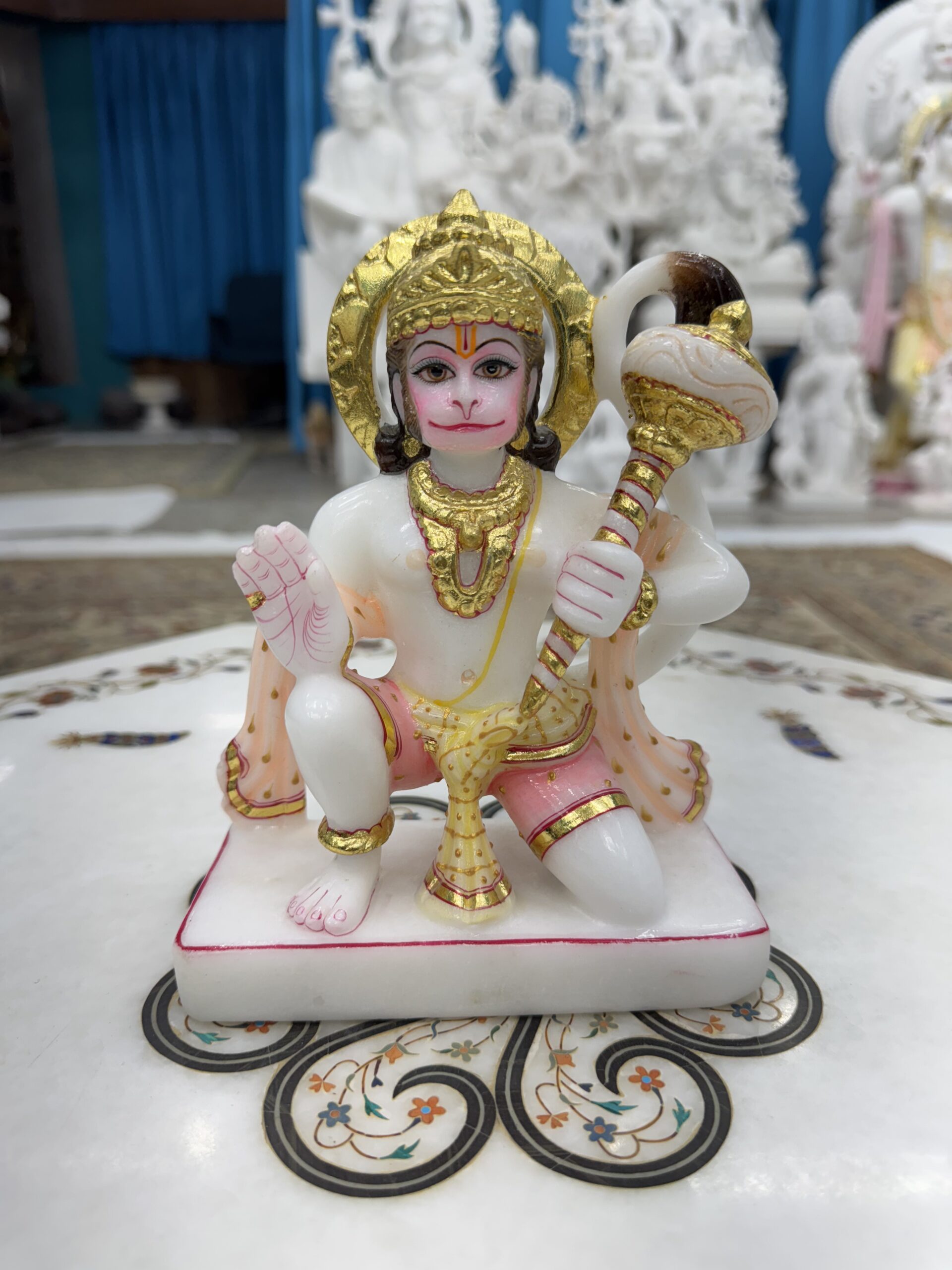
In moorti making, the type of marble has the most important role because it decides not only the beauty but also the purity of the idol. Mainly, two kinds of stones are most popular and considered best for moorti making — white Makrana marble and black Baislana marble. Both are sourced from Rajasthan and are known for their strength, fine texture, and spiritual significance in marble murti arts. White Makrana marble is the same stone used to build the Taj Mahal. It is known for its natural brightness and long-lasting shine. Sculptors prefer it for making idols of deities like Lord Shiva, Ganesh Ji, Ram Sita, Radha Govind, and Hanuman Ji. The Ram Mandir in Ayodhya also features Ram Darbar made from Makrana marble by Pandey Moorti Bhandar, which shows how deeply this stone is respected for temple use. Many devotees choose a marble murti for home temple because it stays spotless and radiant for years.
On the other hand, black Baislana marble carries a different kind of strength and depth. It is used to carve idols of Lord Krishna, Bhairav, Shani Dev, and Khatu Shyam Ji. The color black symbolizes power, discipline, and devotion. It enhances the fine details of the sculpture and gives the idol a strong divine presence.
Why Marble Idols are Considered Spiritually Auspicious?
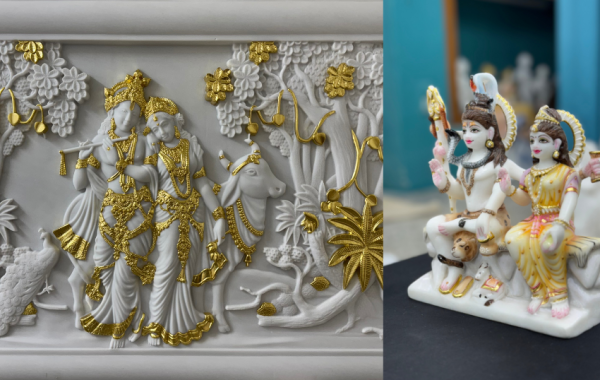
In the Hindu tradition, marble has long been regarded as a sacred stone. It is pure and strong, and these traits make it the best medium for creating divine forms. When a sculptor carves a marble moorti, he does not see it as just a piece of stone. He treats it like a body that will soon hold divine energy. Once the moorti is carved with proper rituals and measurements as mentioned in the Shilpa Shastra, it becomes ready for Pran Pratishtha (the process through which the deity’s life energy, or pran, is invited into the idol). After the Pran Pratishtha is done, the murti becomes a living presence. The divine energy stays within it, and devotees experience peace and blessings through worship. The smooth surface and brightness of white marble idols reflect light, often seen as a symbol of purity and divine power. Marble also absorbs and maintains coolness, which is believed to control the surrounding energy. It keeps the place of worship positive and filled with serenity. The natural strength of marble ensures that the divine form remains undamaged for centuries, keeping the energy intact.Is It Necessary to Perform Daily Puja for Marble Idols?
Yes, it is best to perform daily pooja once a marble idol is installed and Pran Pratishtha is performed. Just as we care for a family member every day, the same respect and attention should be given to the deity. Daily puja keeps that divine connection alive and strengthens the bond between the devotee and the god. A simple act like lighting a diya, offering water, or chanting a few mantras is enough to keep the energy around the marble idols of Hindu gods positive and active. When we clean the idol every morning, it is to remove any negative energy that might gather around it.
According to the Puranas, the divine energy in an idol becomes strong through daily prayers and weakens when neglected. The morning prayers invite freshness and strength to the home, while the evening aarti brings peace and protection. If a person cannot perform a long puja, even folding hands with pure devotion (Bhav) and remembering the deity’s name is enough.