
What to Do with a Broken Marble Murti? Sacred & Correct Way
April 20, 2026
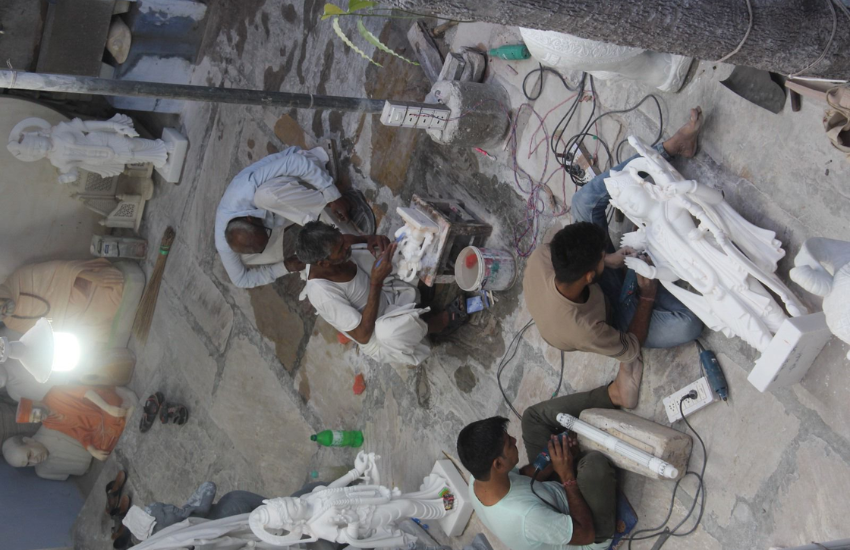
Most of the Hindus around the world worship God in the form of an idol. They strongly believed idols, especially those made from pious material like marble, are believed to have prana (living energy). However, we have all been in a situation when an idol accidentally breaks or is damaged.
In such a situation, the first question that comes to mind is — what should be done with a khandit bhagwan murti? Should it be repaired or replaced with a new one? And most importantly, how should it be properly disposed of?
The truth is, not all broken marble god statues need to be replaced. In some cases, repairing can be the best option, but it depends on the extent of the damage and the deity involved. So, through this blog, let’s understand the spiritual aspects of handling a broken marble murti, answering common questions like when it can be repaired, when it should be respectfully disposed of, and when it’s the right time to bring a new idol home.
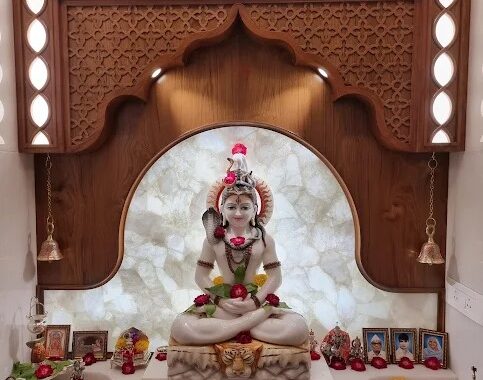 Before disposing of the idol, a simple prayer or mantra should be offered, expressing gratitude for the divine presence that once resided in the moorti. This act is known as prana visarjan, a way of releasing the divine energy respectfully. Once this is done, the broken moorti can be immersed in a river, pond, or any clean water body. If that is not possible, it can be placed under a sacred tree like a peepal or a banyan.
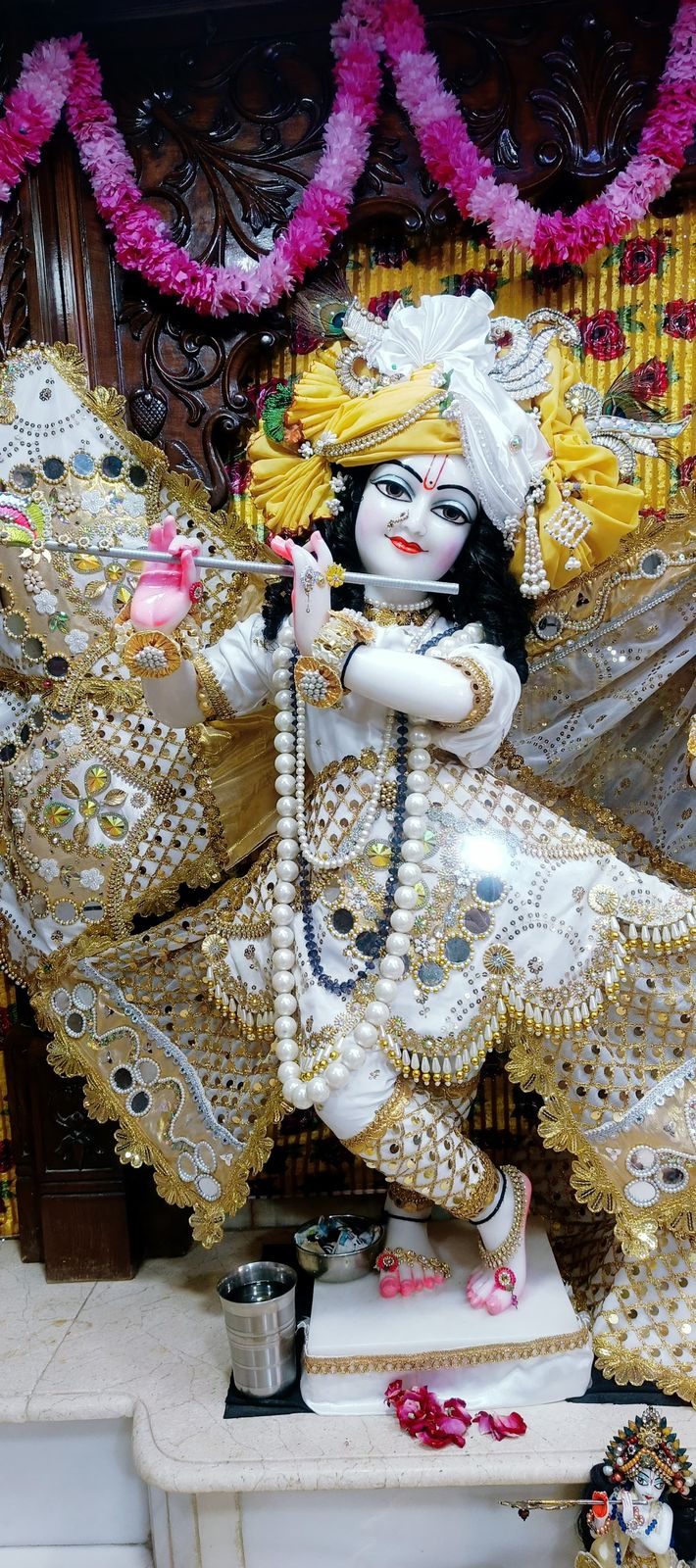 When the moorti is brought home, it should be carried with clean hands or placed on a clean red or yellow cloth. Devotees usually avoid keeping the idol directly on the floor. Some people light a diya and offer flowers or incense at the entrance as a sign of welcome. The idol should then be placed in the prepared space without any rush or noise around.
Before starting daily worship, it is ideal to perform a small ritual known as Prana Pratishtha, a simple ritual of invoking the presence of the deity in the moorti. Even a short prayer with a pure heart can serve this purpose.
When the moorti is brought home, it should be carried with clean hands or placed on a clean red or yellow cloth. Devotees usually avoid keeping the idol directly on the floor. Some people light a diya and offer flowers or incense at the entrance as a sign of welcome. The idol should then be placed in the prepared space without any rush or noise around.
Before starting daily worship, it is ideal to perform a small ritual known as Prana Pratishtha, a simple ritual of invoking the presence of the deity in the moorti. Even a short prayer with a pure heart can serve this purpose.
What Does It Mean When a Marble Murti Breaks?
When a marble moorti breaks, it is often seen as a moment that carries both emotional and spiritual meaning. For many devotees, the moorti is not just a form but a sacred presence. Traditionally, a broken idol is considered unfit for daily worship. Once the form is damaged, it is believed that the divine energy (prana) that was invoked during the installation ritual no longer resides fully in it. Traditionally, khandit bhagwan moortis are not thrown away or neglected. The respectful way to handle a broken murti is to perform a proper visarjan (immersion) in a clean river or place it respectfully under a peepal tree. A new moorti can then be installed with pure intention, continuing the bond of faith and devotion.What Should You Do Immediately After a Marble Moorti Breaks?
In traditional belief, a broken moorti is considered to have lost its spiritual energy, so it should not be worshipped further. The very first step is to clean the area gently and remove the broken pieces carefully without showing distress or anger. Each fragment should be placed on a clean cloth or plate until a proper decision is made about visarjan (immersion) or replacement.
Before disposing of the idol, a simple prayer or mantra should be offered, expressing gratitude for the divine presence that once resided in the moorti. This act is known as prana visarjan, a way of releasing the divine energy respectfully. Once this is done, the broken moorti can be immersed in a river, pond, or any clean water body. If that is not possible, it can be placed under a sacred tree like a peepal or a banyan.
Is It Okay to Keep a Broken Marble Idol at Home?
The decision to keep the broken marble god statue at home depends on which part of the murti is damaged. In traditional practice, if the main body or limbs of the deity’s idols are broken, it is considered inappropriate to continue worshipping them. The integrity of the idol’s form is essential for the prana, or divine energy, to remain active. A murti with broken limbs cannot hold the same spiritual presence, so it should be respectfully replaced with a new idol to maintain the sanctity of daily worship. However, if the damage is limited to the ornaments, weapons, or accessories of the moorti, repair is possible. These parts can be carefully restored or reattached by a skilled artisan using suitable materials. Such repair and statue repainting allow the moorti to retain its original form and beauty, enabling devotees to continue their rituals without interruption.How to Properly Dispose of Broken Religious Statues?
The disposal of broken murtis should be done with awareness, respect, and care. Over the years, sculptors and temple caretakers have developed several meaningful ways to handle such idols. Here are some thoughtful methods:- Temple Donation Corner: Many temples have a designated area where broken or old idols are respectfully placed. These spaces are maintained as part of the temple premises, keeping the idols close to the divine environment instead of being discarded.
- Conversion into Sacred Powder: Some traditional sculptors carefully crush the damaged statue into fine powder and mix it with clean soil or river clay. This mixture is later used in crafting new idols, symbolizing continuity of devotion.
- Eco-Friendly Return to Nature: The broken idol can be buried in a clean patch of land, surrounded by plants or flowers. Alternatively, you can perform a proper visarjan (immersion) in a clean river or place it respectfully under a peepal tree. This symbolizes a peaceful return to nature, maintaining both spiritual and environmental respect.
What is the Right Way to Bring a New Idol Home?
Bringing a new idol home is a sacred process that should always be carried out with purity, respect, and calmness. Before the idol enters the house, the space where it will be placed should be cleaned thoroughly and purified with Ganga jal or fresh water mixed with tulsi leaves. The area must be quiet and peaceful, as the idol is seen as the arrival of divine energy into the home.
When the moorti is brought home, it should be carried with clean hands or placed on a clean red or yellow cloth. Devotees usually avoid keeping the idol directly on the floor. Some people light a diya and offer flowers or incense at the entrance as a sign of welcome. The idol should then be placed in the prepared space without any rush or noise around.
Before starting daily worship, it is ideal to perform a small ritual known as Prana Pratishtha, a simple ritual of invoking the presence of the deity in the moorti. Even a short prayer with a pure heart can serve this purpose.