
When and Why You Should Repaint Marble Idols?
April 20, 2026
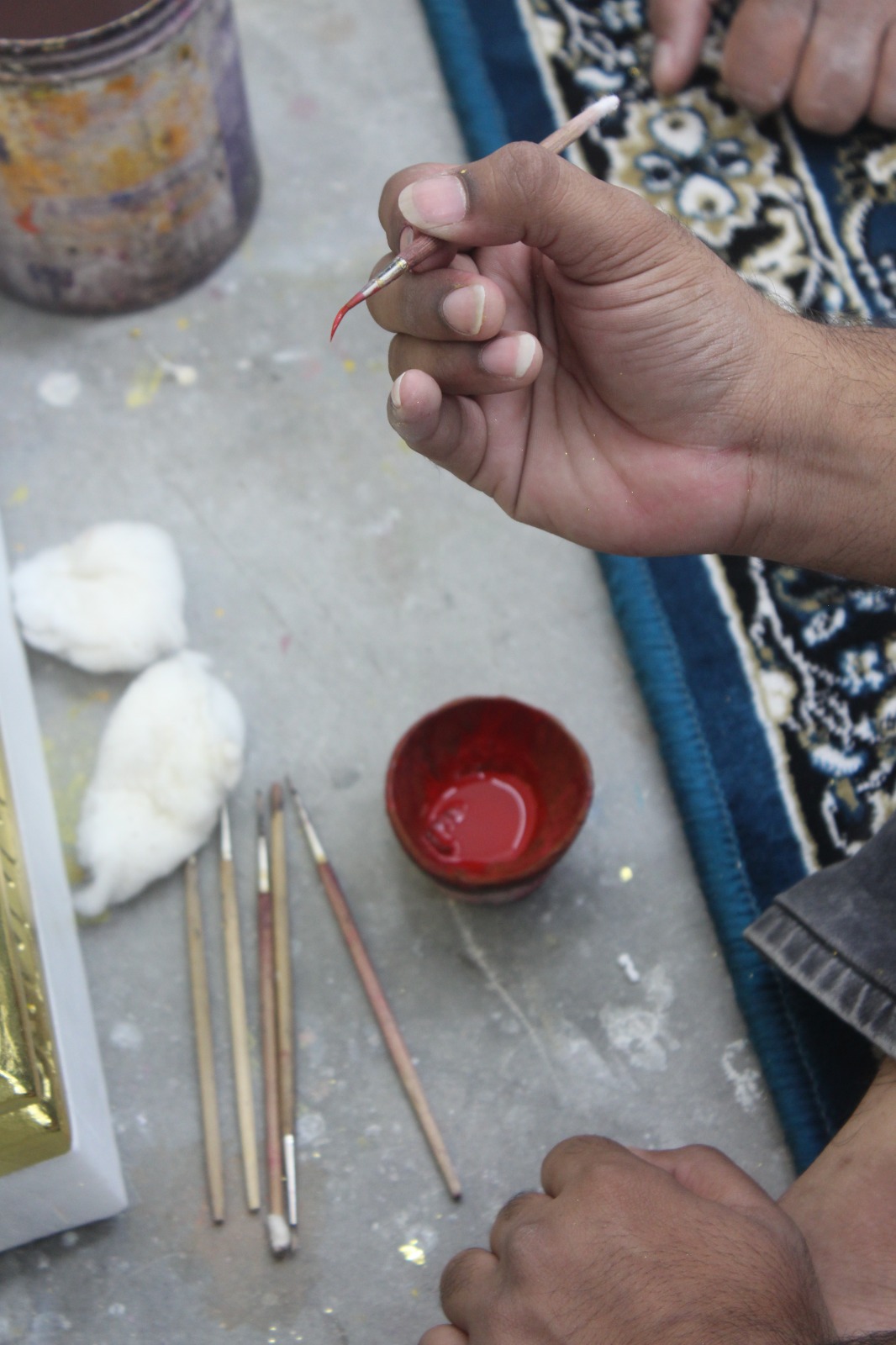
In Sanatan Dharma, marble idols are seen as the living form of deities and are worshipped with deep devotion and respect. Over time, however, these moortis can begin to lose their fine details. Dust, pollution, moisture, and even daily cleaning slowly dull the paint and reduce their natural charm. In such cases, devotees often choose to repaint marble idols to restore their original beauty while maintaining their spiritual purity and sacred presence.
At this stage, people often think about replacing the idols with a new one. Although marble murtis are tough and durable, if they are chipped, discolored, or broken, replacing them may be the only option. But in most cases, the idol simply loses its shine or the paint begins to fade, while the structure itself remains strong. In such situations, repainting is a better choice.
When you decide to repaint marble idols, your decision is more than just restoring how they look. It is also a way of renewing its sacred presence. In spiritual belief, when an idol looks radiant and divine, it naturally enhances the devotion of the worshipper and strengthens their connection with the deity. Through this blog, we will discuss when repainting is needed, why it holds importance, and how it helps preserve both the beauty and spiritual value of marble idols.
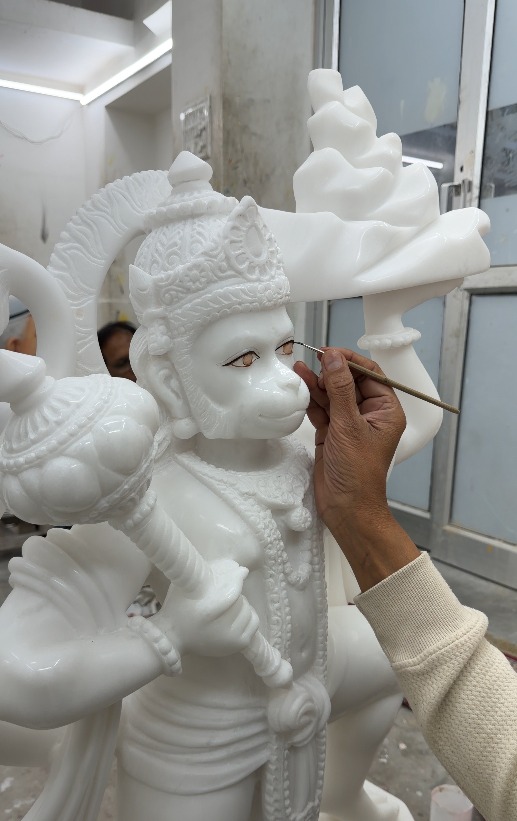 Many families and temples prefer to repaint marble idols instead of buying a new statue. It saves money and also keeps the same idol that people have been worshipping for years.
Can Marble Statues Be Repainted?
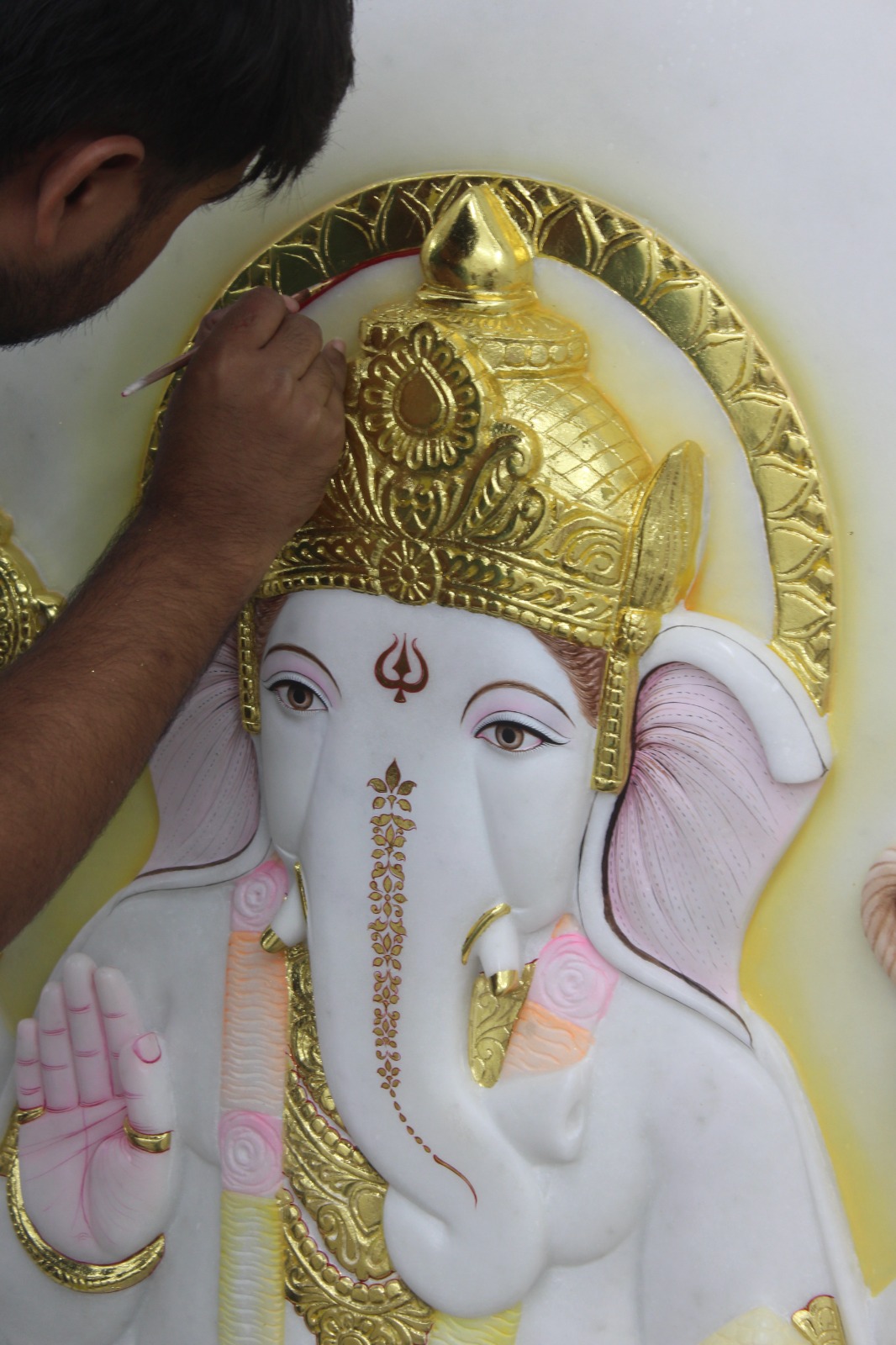
Yes, marble statues can be repainted, but the process requires skill and precision. Painting marble statues is delicate work. It has fine curves and small details, and using the wrong brush or paint can spoil its beauty. This is why repainting on marble statues should always be handled by professional craftsmen. Professionals know how to prepare the surface before they apply fresh colors. Old paint is carefully removed, and the marble is cleaned so the new paint settles properly. After this, artists use special colors that suit marble and highlight the features of the idol. Once the details are finished, a protective polish or varnish is added to make the colors last longer. The result is smooth, neat, and long-lasting.
Many families and temples prefer to repaint marble idols instead of buying a new statue. It saves money and also keeps the same idol that people have been worshipping for years.
Signs That Your Marble Moorti Needs Repainting
Marble murtis are meant to last for generations, but even the finest statues show signs of wear with time. You do not always notice it immediately, but the paint starts to lose its charm. Here are the most common signs that your marble moorti needs repainting.Faded or Dull Colors
The most noticeable sign is fading. Bright and vibrant colors that once stood out in the eyes, clothes, or ornaments may start to look washed out. The statue seems less lively, almost like it has lost its sparkle. You might notice it more in sunlight or near bright lights. When the colors fade, repainting brings back the vibrancy and makes the murti feel alive again. Using professional services ensures the paint lasts longer and retains its original glow.Chipped or Peeling Paint
Chipping or peeling is another clear signal. It often appears on raised areas, like the edges of clothes, jewelry, or small carvings. These chips start tiny, but they grow if ignored. Sometimes, you can feel flakes coming off when you touch the surface. Home repainting often worsens this because the paint does not stick evenly. Experts carefully remove the loose paint and apply new layers that are smooth and durable.Loss of Painting Details in Carved Areas
Marble moortis are known for their delicate carvings and intricate features. Over the years, the fine details in the eyes, ornaments, clothes, or facial expressions may lose their clarity because of fading paint. This is often more visible in smaller carved sections where colors define the depth of the design. Once these details fade, the idol looks incomplete. Repainting restores these features with precision, highlighting every line and curve once again. A professional artist ensures that the traditional look is maintained while refreshing the idol’s details.Visible Stains or Discoloration
Another sign is the presence of stains or discoloration. Stains may appear due to oil, incense smoke, or even moisture in the surrounding environment. These marks cannot always be removed by simple cleaning and often leave patches on the surface. Discoloration also makes some parts of the idol appear darker or lighter than others, creating an uneven look. Repainting covers these stains and restores uniformity. With a proper protective finish, repainting also helps in preventing future discoloration.Why You Should Consider Repainting the Marble Idols?
Here are some reasons why you should consider repaint marble idols for your home temple:Restore the Original Beauty and Vibrancy
A marble idol looks divine when the colors are fresh. Over time, the paint becomes dull and the idol may even look lifeless. By repainting, the fine details of the eyes, ornaments, and clothes become clear again. The shine of the marble is enhanced, and the idol looks almost like the day it was first placed in the temple.Enhance the Sacred and Spiritual Energy (Pran)
Since ancient times, idols have been believed to hold divine energy. When the idol looks faded, devotees often feel a loss of connection. Repainting helps renew that sacred presence. The fresh colors, fine detailing, and glow create a pure environment in the temple or home mandir. Many people even feel their prayers flow with more devotion when the idol looks complete and alive again.