
Which Marble is Best for Moorti Making?
April 20, 2026
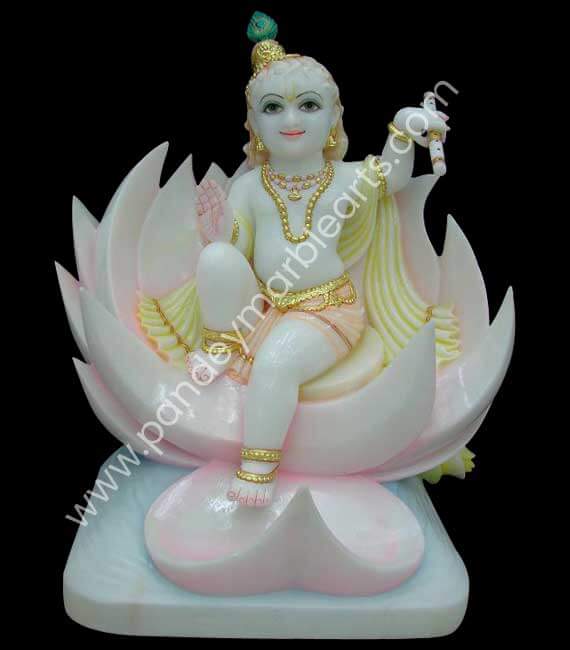
When it comes to moorti (statue) making, the choice of marble plays a crucial role in defining the beauty, durability, and elegance of the sculptures. Whether it’s a Krishna Radha murti, a Tirupati Balaji Moorti, or a Laxmi Narayan Marble Moorti, selecting the right type of marble is essential for producing timeless creations. Jaipur, often regarded as the hub of intricate craftsmanship, is home to many moorti shops that specialize in creating divine masterpieces.
In this blog, we will explore the best types of marble for murti making, why certain marbles are preferred, and what you should look for when purchasing from a reputed moorti shop in Jaipur.
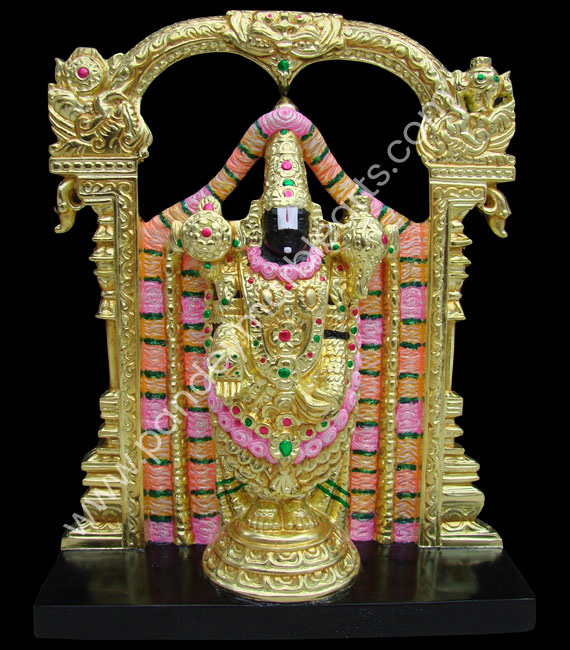
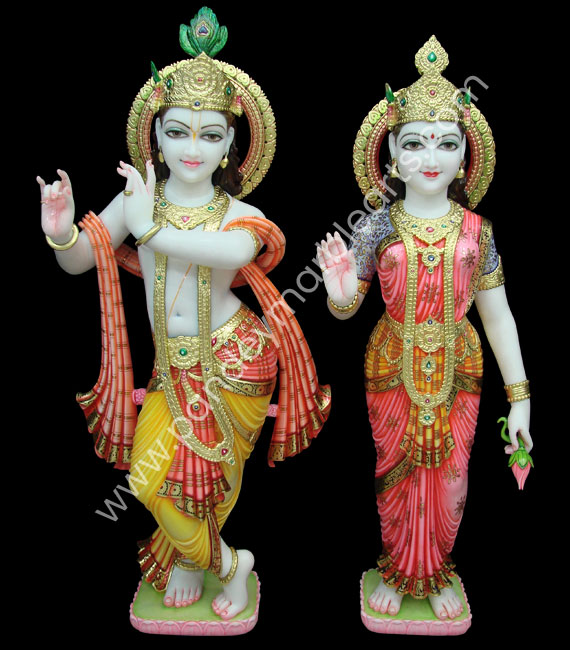 3. Size of the Moorti: Different types of marble are suitable for different sizes. For example, Makrana marble is ideal for large Tirupati Balaji murtis, while Vietnam marble works well for smaller home idols.
4. Cost and Budget: While Makrana marble is more expensive, its durability justifies the cost. For budget-friendly options, Vietnam or Sangemarmar marble can be considered.
3. Size of the Moorti: Different types of marble are suitable for different sizes. For example, Makrana marble is ideal for large Tirupati Balaji murtis, while Vietnam marble works well for smaller home idols.
4. Cost and Budget: While Makrana marble is more expensive, its durability justifies the cost. For budget-friendly options, Vietnam or Sangemarmar marble can be considered.
Types of Marble Best Suited for Moorti Making
1. Makrana Marble Makrana marble, originating from Makrana, Rajasthan, is the most popular choice for murti making. Known for its impeccable whiteness, strength, and natural shine, Makrana marble is widely used for intricate carvings. Its ability to withstand the test of time makes it ideal for crafting deities like Krishna Radha Moorti, Tirupati Balaji Moorti, and Laxmi Narayan Marble murti.Advantages:
- Pure white appearance.
- Resistant to water and stains.
- Long-lasting durability.
Advantages:
▪ Softer for carving, allowing detailed artistry. ▪ Affordable compared to Makrana marble. ▪ Good finish and polish. 3. Vietnam Marble This imported marble has gained popularity in India due to its milky white texture. Vietnam marble is ideal for creating lightweight yet detailed murtis, especially for home temples and smaller idols like Laxmi Narayan Marble Moortis. Advantages: ▪ Budget-friendly alternative to Makrana marble. ▪ Smooth surface for detailed work. ▪ Bright, reflective finish. 4. Italian Marble While Italian marble is less commonly used for religious murtis, its luxurious appeal makes it suitable for premium designs. It is often chosen for its aesthetic value rather than religious purposes. Advantages: ▪ Luxurious and glossy finish. ▪ High durability for decorative purposes.Why Makrana Marble is the Most Preferred Choice for Moorti Making
Among all marble types, Makrana marble holds a special place in the hearts of moorti makers in Jaipur. This is due to its unmatched quality, longevity, and versatility. The natural luster of Makrana marble enhances the divine aura of deities like Krishna Radha murti, ensuring that they remain beautiful for generations. Moreover, the artisans in Jaipur have mastered the art of working with Makrana marble. Shops like Pandey Murti Bhandar are renowned for their expertise in carving intricate designs that bring the idols to life.Factors to Consider When Choosing Marble for Moorti Making
When purchasing a moorti from a reputed moorti shop in Jaipur, consider the following factors: 1. Purity of Marble: Ensure that the marble is of high quality, without cracks or impurities, as these can compromise the durability of the moorti. 2. Finish and Detailing: The marble should allow for detailed carving and provide a smooth finish after polishing.
3. Size of the Moorti: Different types of marble are suitable for different sizes. For example, Makrana marble is ideal for large Tirupati Balaji murtis, while Vietnam marble works well for smaller home idols.
4. Cost and Budget: While Makrana marble is more expensive, its durability justifies the cost. For budget-friendly options, Vietnam or Sangemarmar marble can be considered.